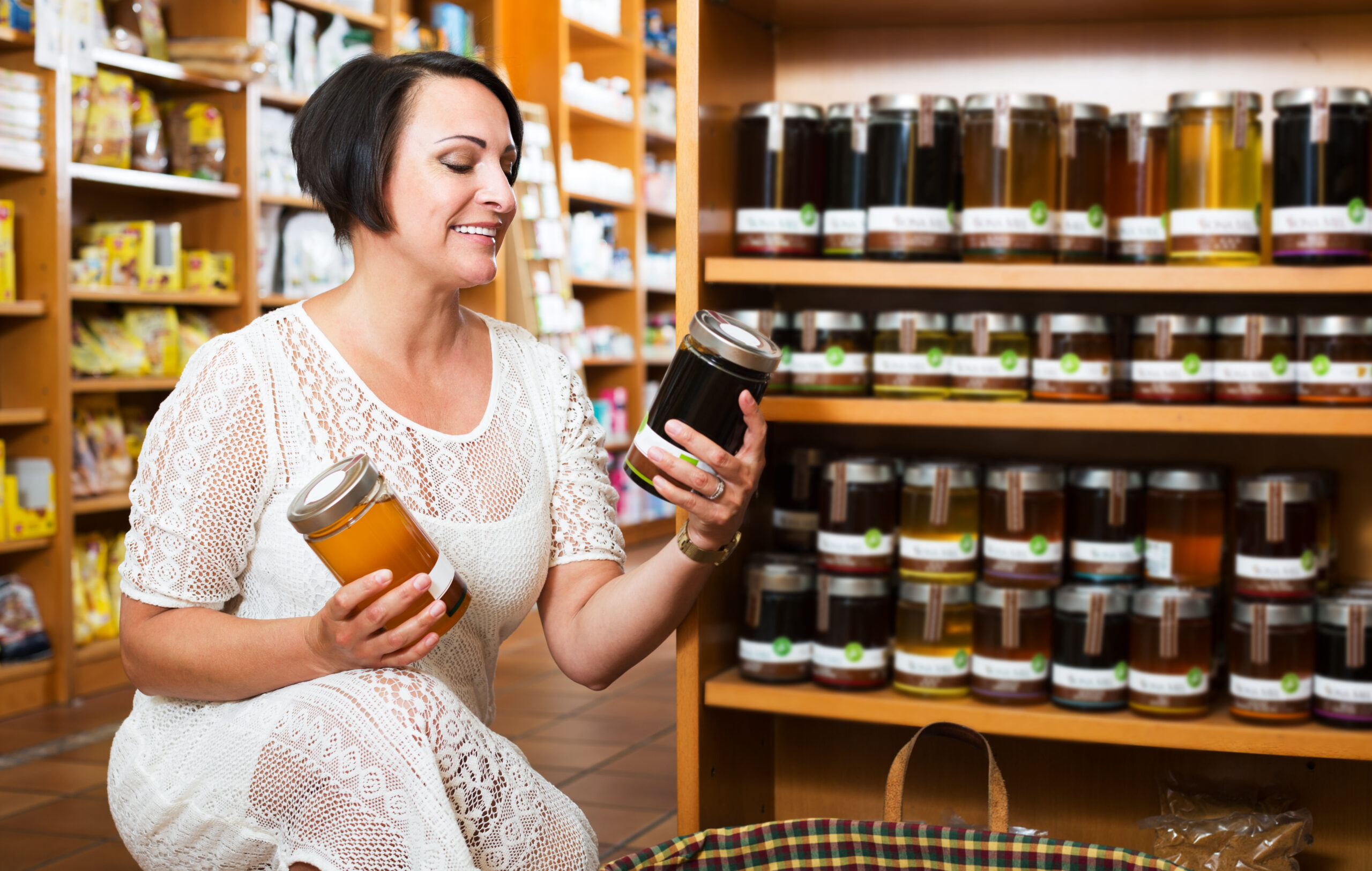
The jar sits on the pharmacy shelf with a price tag that makes your eyes water: $89 for 250 grams of honey. The label reads “UMF 15+ Manuka Honey.” Next to it, another jar costs $120 and promises “MGO 850+.”
You’ve heard Manuka honey can help with everything from sore throats to wound healing. But these cryptic numbers and letters? They might as well be written in code.
Here’s what those ratings actually mean—and why they’re the difference between buying liquid gold and getting ripped off.
The Flower That Started It All
Manuka honey comes from the nectar of Leptospermum scoparium, a scrubby tea tree that blankets parts of New Zealand’s wilderness. For centuries, Māori used the plant’s leaves and bark for medicine. The honey was just a bonus.
Then in the 1980s, a biochemist named Peter Molan at the University of Waikato noticed something odd. All honey has some bacteria-fighting power—that’s basic chemistry, thanks to its low water content and acidic nature. But Manuka honey kept working even when those factors were removed.
Molan called it the “unique Manuka factor.” He spent years trying to figure out what made this honey different.
The answer came in 2008. German scientist Thomas Henle identified the magic ingredient: methylglyoxal, or MGO for short.
What Makes MGO Special
MGO is a compound that forms naturally in Manuka nectar. When bees collect the nectar and turn it into honey, the MGO gets even more concentrated.
“Think of MGO as the honey’s secret weapon,” says Dr. Nural Cokcetin, a microbiologist who studies Manuka honey. “It attacks bacteria in ways that regular honey just can’t.”
Regular honey might have MGO levels of 1 to 10 milligrams per kilogram. Good Manuka honey can have levels above 1,000. That’s not a typo—we’re talking 100 times more powerful.
But here’s the catch: not all Manuka honey contains the same amount of MGO.
A beehive sitting in the middle of a dense Manuka forest during peak flowering might produce honey rich in MGO. Move that same hive a few kilometers away, where bees can reach other flowers, and the MGO level drops. The bees don’t discriminate—they’ll visit whatever’s blooming.
This natural variation is exactly why ratings exist.
Breaking Down the Numbers
When you see “MGO 550+” on a label, that tells you the honey contains at least 550 milligrams of methylglyoxal per kilogram. It’s a straight chemical measurement. Higher numbers mean more MGO, which means stronger antibacterial activity.
Simple enough, right?
Then there’s UMF—the Unique Manuka Factor. This system is more complex.
UMF measures three things: MGO, DHA (another compound that converts to MGO as the honey ages), and leptosperin (a chemical found only in Manuka nectar). The UMF Honey Association, a New Zealand industry group, licenses producers to use these ratings after independent lab testing.
A UMF 10+ rating roughly equals MGO 263+. UMF 15+ translates to MGO 514+. UMF 20+ means you’re looking at MGO 829+ or higher.
“UMF is like a quality stamp,” explains Tim Coulson, who runs a family beekeeping operation in Northland. “It tells buyers that the honey has been tested properly and comes from legitimate sources.”
Why Two Systems?
You might wonder why we need both MGO and UMF ratings. Good question.
MGO is straightforward. Any accredited laboratory can measure it, and the number means the same thing worldwide. It’s like measuring the alcohol content in wine—objective and standardized.
UMF offers broader verification. To carry a UMF rating, honey must pass DNA testing to confirm it actually comes from Manuka plants. The system also requires full traceability from hive to jar.
Some producers prefer MGO because international buyers recognize it instantly. Others stick with UMF because it signals membership in New Zealand’s original Manuka honey quality organization.
Both systems work—as long as they’re genuine.
The Fake Honey Problem
And that’s where things get messy.
In 2023, people around the world bought about $500 million worth of products labeled “Manuka honey.” But New Zealand only produces roughly 10,000 tons of real Manuka honey each year. Someone’s doing some creative math.
“We find jars in shops overseas that claim to be Manuka but test negative for MGO entirely,” says John Rawcliffe, an industry analyst. “Others mix a tiny bit of real Manuka with cheap bulk honey from wherever.”
Some countries don’t regulate honey labeling strictly. A jar might say “Manuka honey blend” or “Manuka style honey”—vague terms that sound official but mean nothing.
This is why those ratings matter. They’re not marketing hype. They’re your protection against fraud.
Real Manuka honey will always show an MGO or UMF rating from a recognized certifier, a license number you can trace back to a New Zealand producer, and a batch code that tracks its journey from hive to shelf.
No rating? Walk away.
What Should You Buy?
The ratings tell you what you’re actually getting for your money.
MGO 30+ to 100+ (roughly UMF 5+ to 10+) works fine for everyday eating—on toast, in tea, or stirred into yogurt. The health benefits are modest, but so is the price. Expect to pay what you’d spend on premium regular honey.
MGO 250+ to 550+ (UMF 10+ to 15+) enters therapeutic territory. Research shows honey at this strength can help heal minor wounds, soothe sore throats, and ease digestive problems. You’ll pay $50 to $100 per jar.
MGO 800+ and up (UMF 20+) is medical-grade stuff. Some hospitals use honey this strong as wound dressing. A small jar can cost $150 or more.
“People ask if they should buy the highest grade they can afford,” Coulson says. “I tell them it depends on what they want to use it for. For general wellness, mid-range honey is plenty. For specific health issues, go higher.”
One surprise: higher MGO doesn’t mean better taste. Medical-grade Manuka can taste sharp and medicinal. Lower grades often taste smoother and sweeter.
Don’t Get Stung
Sarah Martinez learned this lesson the hard way. She bought what looked like a bargain online—a jar labeled “Pure Manuka Honey” for $25.
“It tasted fine,” she says. “But when I looked closer, there was no MGO or UMF rating anywhere on the label. Just the words ‘Manuka honey product.'”
She contacted the seller, who admitted the jar contained “mostly clover honey with Manuka flavoring.” Whatever that means.
Now Martinez only buys honey with clear ratings and traceable batch numbers. “I’d rather pay more and know what I’m getting,” she says.
That’s the smart approach. Those mysterious numbers on the label aren’t there to confuse you—they’re there to protect you. They tell you exactly how much of the good stuff you’re buying, verified by independent testing.
The next time you’re staring at those expensive jars in the store, you’ll know what MGO and UMF really mean. And why they’re worth paying attention to.