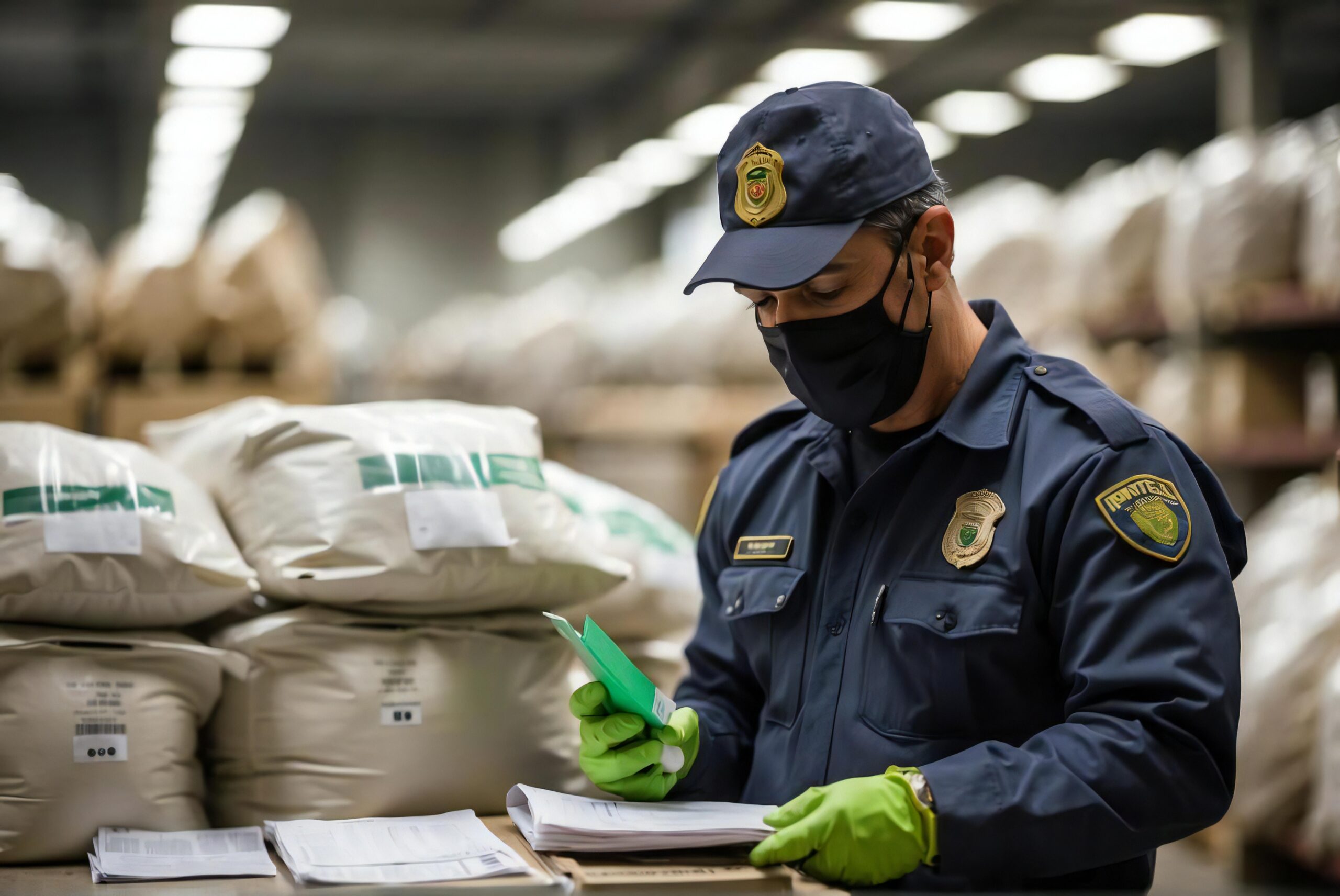
John Rawcliffe opens a jar labeled “Pure New Zealand Manuka Honey” that he bought at a supermarket in London. The label shows silver ferns and snow-capped mountains. The price was steep: £45 for 250 grams.
He sends a sample to a testing laboratory in Auckland. Two weeks later, the results come back. Zero MGO. No Manuka pollen. The DNA analysis shows the honey came from multiple countries, none of them New Zealand.
“This jar is complete fiction,” Rawcliffe says. He’s a honey authentication specialist who tracks down fake Manuka products around the world. “Everything except the actual honey is designed to look legitimate.”
Welcome to the global battle over Manuka honey, where fraud is rampant, profits are enormous, and New Zealand is fighting to protect its most valuable natural export.
The Numbers Don’t Add Up
Here’s the problem in simple math. New Zealand produces roughly 10,000 tons of genuine Manuka honey each year. That’s what comes out of hives verified as visiting Manuka flowers in New Zealand.
Global sales of products labeled “Manuka honey” total around 50,000 tons annually. Someone, somewhere, is producing 40,000 tons of fake Manuka.
“The fraud is industrial scale,” says John Rawcliffe, who works with New Zealand’s Ministry for Primary Industries tracking counterfeit honey. “We’re not talking about a few dodgy operators. This is organized production of fake product.”
The fakes range from crude to sophisticated. Some jars contain regular honey with a bit of Manuka mixed in. Others use honey from multiple countries with added coloring and flavoring to mimic Manuka’s taste. The worst cases involve completely synthetic syrups with no real honey at all.
All of them steal the Manuka name. All of them undermine legitimate producers. And all of them are surprisingly hard to stop.
Why Fraud Flourishes
The incentive is obvious: money. A jar of genuine high-grade Manuka honey can sell for over $100. Regular honey costs a fraction of that. Mix cheap bulk honey with clever marketing, and the profit margins are spectacular.
Enforcement is the problem. Different countries have different food labeling laws. What’s illegal in New Zealand might be perfectly legal in other markets. A jar can’t be sold as “Manuka honey” in New Zealand without meeting strict standards. But the same jar can be labeled however the seller wants in countries without specific Manuka regulations.
“We find jars in Asian markets that say ‘Manuka honey product’ or ‘Manuka blend,'” says Helen Carter, who manages export compliance for a New Zealand honey company. “Those terms mean nothing legally. But consumers think they’re buying real Manuka.”
Online sales make the problem worse. A fake jar listed on an international marketplace can reach customers worldwide. By the time authorities notice, the seller has moved on to a new account and a new batch of fraudulent product.
The Testing Arsenal
New Zealand’s defense starts with science. The country has developed sophisticated testing methods that can identify genuine Manuka honey with near certainty.
The five-marker test, now required by New Zealand law, checks for four chemical compounds plus Manuka pollen DNA. This combination creates a fingerprint that’s almost impossible to fake.
“You can add synthetic MGO to regular honey,” explains lab director James Chen. “But you can’t fake the complete profile. The ratios between compounds, the pollen DNA, the trace elements, they all have to match. Fakers can’t replicate the whole picture.”
Some laboratories now use even more advanced techniques. Mass spectrometry can detect hundreds of compounds in honey, creating profiles so detailed they can identify which region of New Zealand the honey came from.
Stable isotope analysis examines the atomic structure of sugars in honey. Different plants in different locations produce sugars with slightly different isotope ratios. The test can confirm whether honey actually came from New Zealand or from somewhere else entirely.
“The technology is getting better every year,” Chen says. “But testing is expensive. We can’t check every jar on every shelf in every country.”
The Legal Battle
New Zealand has taken the fight to international courts and trade organizations. The goal: protect “Manuka” as a geographical indication, similar to how Champagne can only come from the Champagne region of France.
This legal strategy has won some battles and lost others. The European Union now recognizes New Zealand Manuka honey as a protected product. China has implemented tighter import controls. Several countries require MGO testing for honey labeled as Manuka.
But progress is slow and uneven. Australia produces honey from its own Manuka trees (same species, different location) and contests New Zealand’s exclusive claim to the name. Some countries simply don’t enforce their food labeling laws rigorously enough to stop determined fraudsters.
“We’re winning the war slowly,” says trade lawyer Sarah Mitchell, who works on Manuka protection cases. “But it’s like whack-a-mole. Shut down fraud in one market, and it pops up somewhere else.”
Traceability Technology
Some New Zealand producers are fighting fraud with blockchain and other tracking technologies. Every jar gets a unique code that links back to the specific batch, hive location, harvest date, and lab test results.
Customers can scan the code with their phone and see the complete history of their honey. When it was harvested. Where the hives were located. What the MGO test results showed. Even photos of the actual apiary.
“Traceability makes fraud much harder,” says tech developer Mike Stevens, who built tracking systems for several Manuka producers. “Fakers can copy a label. They can’t fake a blockchain record.”
The technology isn’t perfect. Someone could still put fake honey in a jar with a legitimate code. But it raises the bar significantly. Most fraudsters look for easy money, not technical challenges.
The Retailer Problem
Major retailers are part of the solution and part of the problem. Some demand rigorous verification before stocking Manuka honey. Others accept whatever suppliers provide without asking hard questions.
“We’ve found fake Manuka in major supermarket chains,” Rawcliffe says. “The store bought it from a distributor who bought it from an importer who got it from who knows where. Nobody actually verified the honey was real.”
Retailers argue they can’t be expected to test every product. Fair enough. But they can require suppliers to provide independent lab results. They can check batch codes and traceability records. They can delelist suppliers caught selling fakes.
Some retailers are stepping up. Others continue stocking questionable honey because customers keep buying it and margins are attractive.
What Changed Recently
New Zealand implemented tougher export rules in 2023. Any honey leaving the country labeled as Manuka must now pass the five-marker test and carry full traceability documentation. Exporters face heavy fines for violations.
“The new rules don’t stop foreign producers from making fake Manuka,” Carter explains. “But they ensure everything leaving New Zealand is legitimate. That’s a start.”
The industry is also pressuring international bodies to adopt global standards for Manuka honey. If every country required the same testing, fraud would become much harder.
Progress is happening, but slowly. International food standards take years to negotiate and implement. Meanwhile, fake Manuka continues flooding global markets.
What Buyers Can Do
Consumers aren’t helpless in this fight. A few simple checks can spot most fakes.
Look for an MGO or UMF rating from a recognized certifier. Check for a batch code and verify it online. Avoid vague terms like “Manuka blend” or “Manuka style.” Check the producer’s website to confirm they’re a legitimate New Zealand company.
If the price seems too good to be true, it probably is. Genuine high-grade Manuka isn’t cheap. A jar selling for half the market price is almost certainly fake.
“Informed consumers are our best allies,” Rawcliffe says. “Every time someone refuses to buy suspicious honey, it puts pressure on the whole supply chain.”
The Long Game
New Zealand won’t eliminate Manuka fraud overnight. The incentives are too strong and enforcement too difficult. But the country is making steady progress through better testing, stronger legal protections, advanced traceability, and consumer education.
“We’re protecting more than just honey,” Mitchell says. “We’re protecting our reputation, our farmers’ livelihoods, and consumers who deserve to get what they pay for.”
Rawcliffe keeps testing suspicious jars from markets around the world. Most still fail. But slowly, the percentage of genuine product is rising.
“Ten years ago, we estimated 80 percent of ‘Manuka honey’ in global markets was fake,” he says. “Now it’s maybe 60 percent. Still terrible, but moving in the right direction.”
Progress, measured in jars tested and fraudsters caught, one batch at a time.