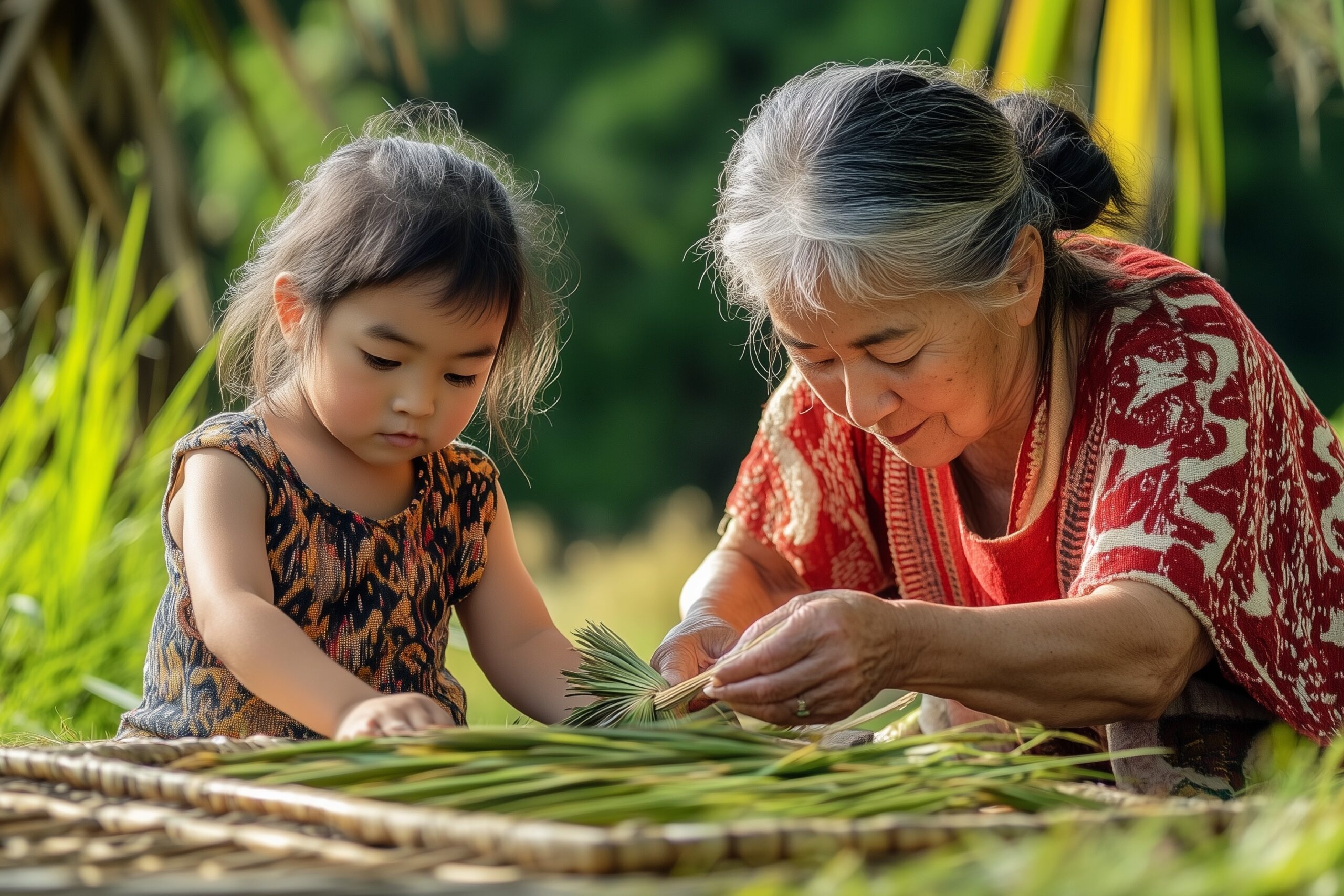
Nan Whaanga remembers watching her grandmother strip bark from a Manuka tree when she was seven years old. Her kuia boiled the bark in water until the liquid turned dark brown, then used it to wash a cut on Nan’s knee.
“She told me the tree was medicine,” Whaanga says. “We called it tea tree then. Some people still do. We used every part of it.”
That was 1968 in rural Northland. No one was talking about MGO ratings or antibacterial properties. No jars of Manuka honey sat on pharmacy shelves for a hundred dollars. But Maori had been using Leptospermum scoparium, the Manuka plant, as medicine for centuries.
Now, modern science is catching up to what indigenous knowledge always knew. The plant works. The question is how, and whether traditional uses match what laboratories are discovering.
The Medicine Tree
Before Europeans arrived in New Zealand, Maori used Manuka for dozens of medicinal purposes. The plant grew everywhere, from coastal dunes to mountain slopes. It thrived in poor soil where other plants struggled.
Kaumatua (elders) taught younger generations which parts to use and how. The bark made antiseptic washes. The leaves, crushed and boiled, treated stomach problems. Steam from boiling Manuka helped with congestion and breathing troubles.
“Our tupuna (ancestors) didn’t have pharmacies,” says Dr. Rangi Matamua, a researcher specializing in Maori traditional knowledge. “They had the bush. And they knew what worked.”
Manuka bark was particularly valued. Scraped and boiled, it created a strong tea that people drank for urinary tract infections and kidney problems. Applied externally, the same tea cleaned wounds and burns.
The leaves had different uses. Fresh leaves got chewed to relieve toothaches. Boiled leaves made a drink for fever and colds. Crushed leaves applied directly to skin treated rashes and inflammation.
Even the wood served medicinal purposes. Smoke from burning Manuka was used in traditional healing ceremonies and to fumigate houses during illness outbreaks.
Honey as Medicine
Interestingly, Manuka honey wasn’t traditionally the star of the show. Maori collected honey from native bees, but it was valued more as food than medicine.
European honeybees arrived with colonizers in the early 1800s. These bees produced far more honey than native bees. When they discovered Manuka flowers, they went wild for the nectar.
Early European settlers hated the resulting honey. It tasted too strong, too medicinal. They called it “scrub honey” and considered it inferior. Some beekeepers destroyed Manuka near their hives because they didn’t want their bees making it.
“What’s fascinating is that Maori quickly recognized the European bee honey from Manuka had medicinal properties,” Matamua says. “They started using it the way they’d used other parts of the plant.”
By the early 1900s, some Maori communities were applying Manuka honey to wounds, mixing it into tonics for sore throats, and using it for digestive complaints. The knowledge traveled through families, passed down orally.
But mainstream medicine ignored it. Manuka remained a traditional remedy, dismissed by doctors as folk medicine with no scientific basis.
When Science Started Listening
The shift began in the 1980s with Peter Molan, a biochemist at the University of Waikato. Molan’s mother-in-law was a beekeeper who swore Manuka honey healed wounds better than anything else.
Molan was skeptical. He was also curious enough to test it.
His early experiments showed something remarkable. All honey has some antibacterial activity because of its acidity and low moisture. But Manuka honey kept working even when those factors were neutralized. Something else was going on.
“Molan spent years trying to identify what made Manuka different,” says Dr. Sarah Bray, who worked in his laboratory. “Traditional Maori knowledge said the plant was medicinal. Molan’s job was figuring out why.”
The breakthrough came in 2008 when German scientist Thomas Henle identified methylglyoxal, or MGO, as the active compound. This chemical, naturally present in Manuka nectar at high levels, attacks bacteria in multiple ways.
Suddenly, traditional knowledge had scientific backing. What Maori healers had observed for centuries could be measured, quantified, and explained in molecular terms.
What the Research Shows
Since Henle’s discovery, hundreds of studies have tested Manuka’s medicinal properties. The results validate many traditional uses while adding new understanding.
Wound healing, a primary traditional use, shows strong scientific support. Multiple clinical trials demonstrate that medical-grade Manuka honey accelerates healing, reduces infection rates, and minimizes scarring. Some hospitals now use Manuka honey dressings for chronic wounds and burns.
Digestive health, another traditional application, also shows promise. Studies indicate Manuka honey can help with stomach ulcers caused by H. pylori bacteria. It soothes inflammation in the digestive tract. Research on irritable bowel syndrome shows mixed but encouraging results.
Sore throats and oral health, common traditional uses, have solid backing. Manuka honey reduces bacteria in the mouth, soothes throat inflammation, and may help prevent dental cavities. Several studies show it works as well as or better than standard throat lozenges.
The traditional use of Manuka steam for respiratory issues is harder to validate scientifically, but the antimicrobial properties support the logic. If Manuka compounds kill bacteria on contact, inhaling the vapors could help with respiratory infections.
Where Tradition and Science Diverge
Not every traditional use has proven out under scientific testing. Some applications show no measurable effect beyond placebo. Others simply haven’t been studied enough to draw conclusions.
Traditional uses for kidney and urinary problems lack strong scientific evidence. While Manuka has antibacterial properties, whether consuming it helps with these specific conditions remains unproven.
The use of Manuka smoke in healing ceremonies falls outside what modern science can easily measure. Spiritual and cultural practices don’t always translate to clinical trials.
“Science is good at measuring physical effects,” Matamua says. “It’s less equipped to evaluate holistic wellness or spiritual healing. That doesn’t mean those aspects aren’t real. Just that they’re harder to quantify.”
The Knowledge Gap
One tension in this story is ownership and recognition. Maori traditional knowledge guided researchers toward studying Manuka in the first place. But the commercial Manuka honey industry, now worth hundreds of millions of dollars, hasn’t always acknowledged or shared benefits with Maori communities.
“Our ancestors knew this plant was special,” says Whaanga, now in her sixties and teaching traditional medicine to younger generations. “Now scientists confirm it, companies make fortunes, and sometimes we feel like our knowledge has been borrowed without thanks.”
Some Manuka honey companies work in partnership with Maori land trusts, sharing both access to land and profits. Others operate with minimal Maori involvement.
The scientific validation of traditional knowledge also raises questions about intellectual property. Can traditional ecological knowledge be patented? Who benefits when indigenous wisdom becomes commercial product?
Full Circle
Back in Northland, Whaanga still harvests Manuka bark the way her grandmother taught her. She also keeps a jar of high-MGO Manuka honey in her cupboard, bought from a local producer.
“I use both,” she says. “The bark tea for some things. The honey for others. Science didn’t make the plant work. It just explained how it was working all along.”
Her grandchildren are growing up with access to both worlds. They learn the traditional names and uses of Manuka. They also learn about MGO ratings and clinical studies.
“The knowledge doesn’t contradict,” Whaanga says. “It’s the same plant, the same medicine. We just have different ways of understanding it now.”
Modern science has validated what Maori healers observed through generations of careful use. The Manuka plant, in its leaves, bark, wood, and honey, possesses genuine medicinal properties.
The laboratories didn’t discover this. They confirmed it. There’s a difference worth remembering every time you open that expensive jar.