New Zealand's Finest Mānuka Honey
Products for Retail and OEM Customers
Our Best Sellers
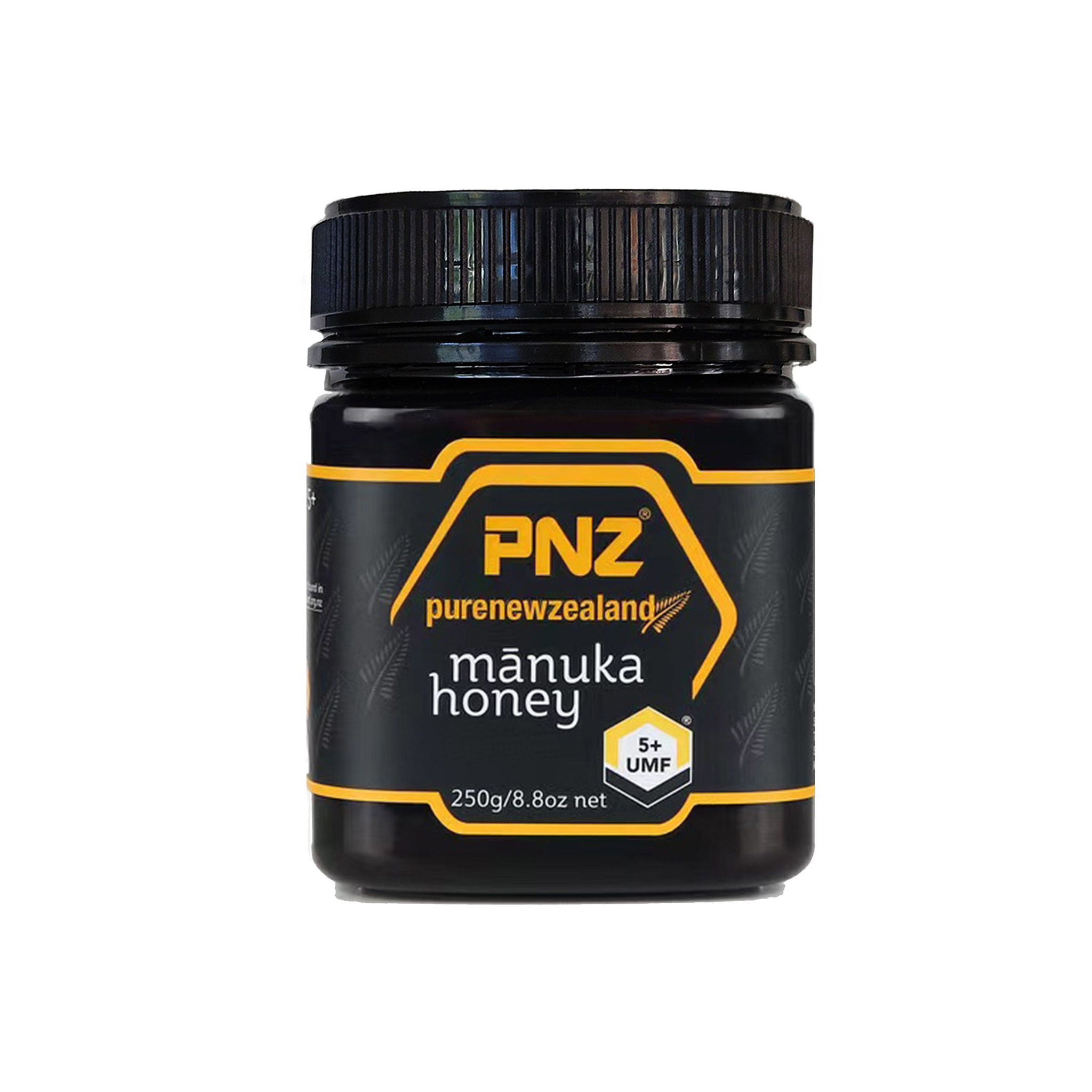
Mānuka Honey UMF5+ 250g
- Umf5+
- 83 MG/kg MGO
PNZ Mānuka Honey UMF 5+ is a genuine, mono-floral Mānuka honey with a guaranteed minimum of 83mg/kg MGO.
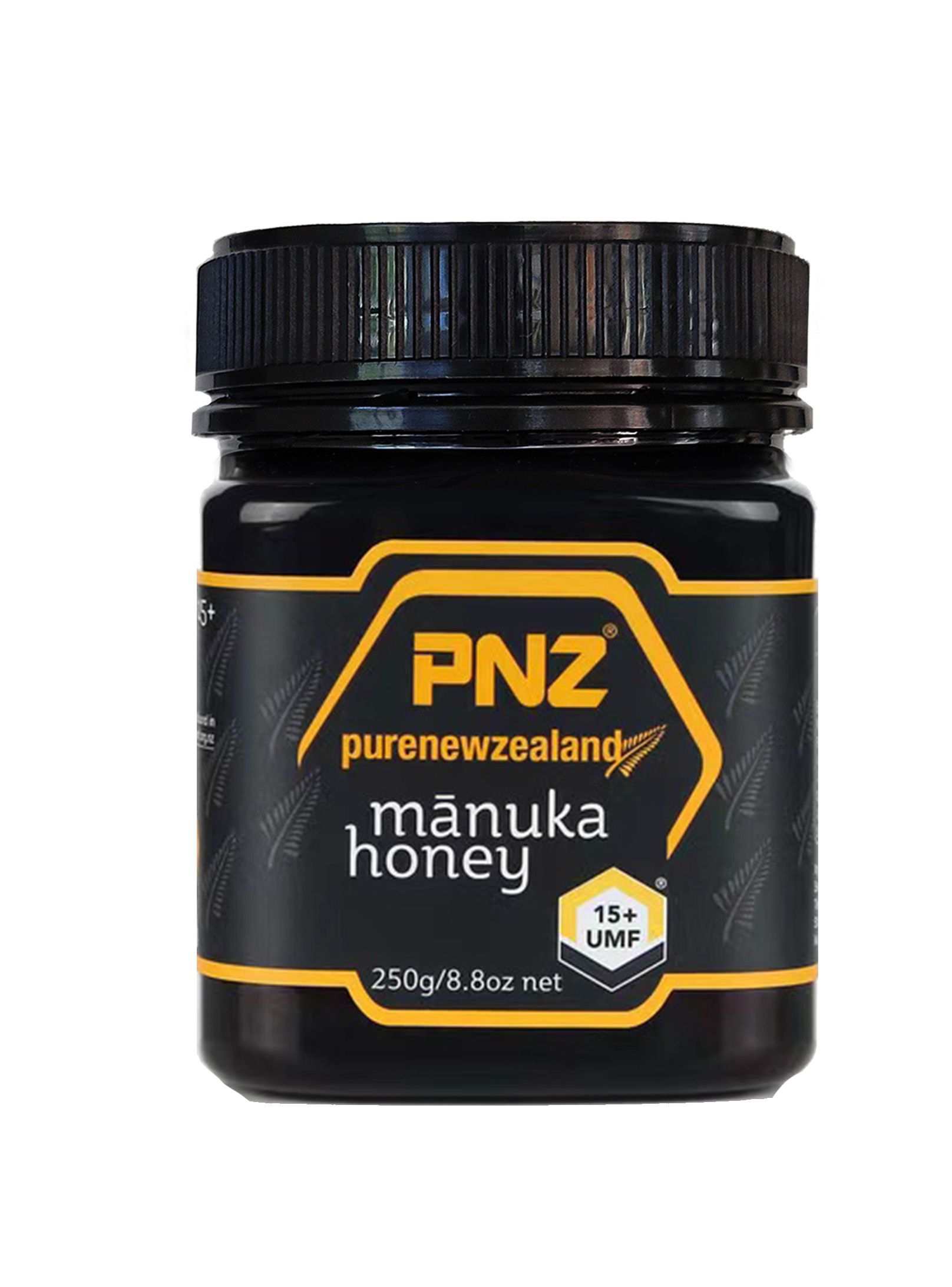
Mānuka Honey UMF15+ 250g
- Umf15+
- 514 MG/kg MGO
PNZ Mānuka Honey UMF 15+ is a genuine, mono-floral Mānuka honey with a guaranteed minimum of 514mg/kg MGO.
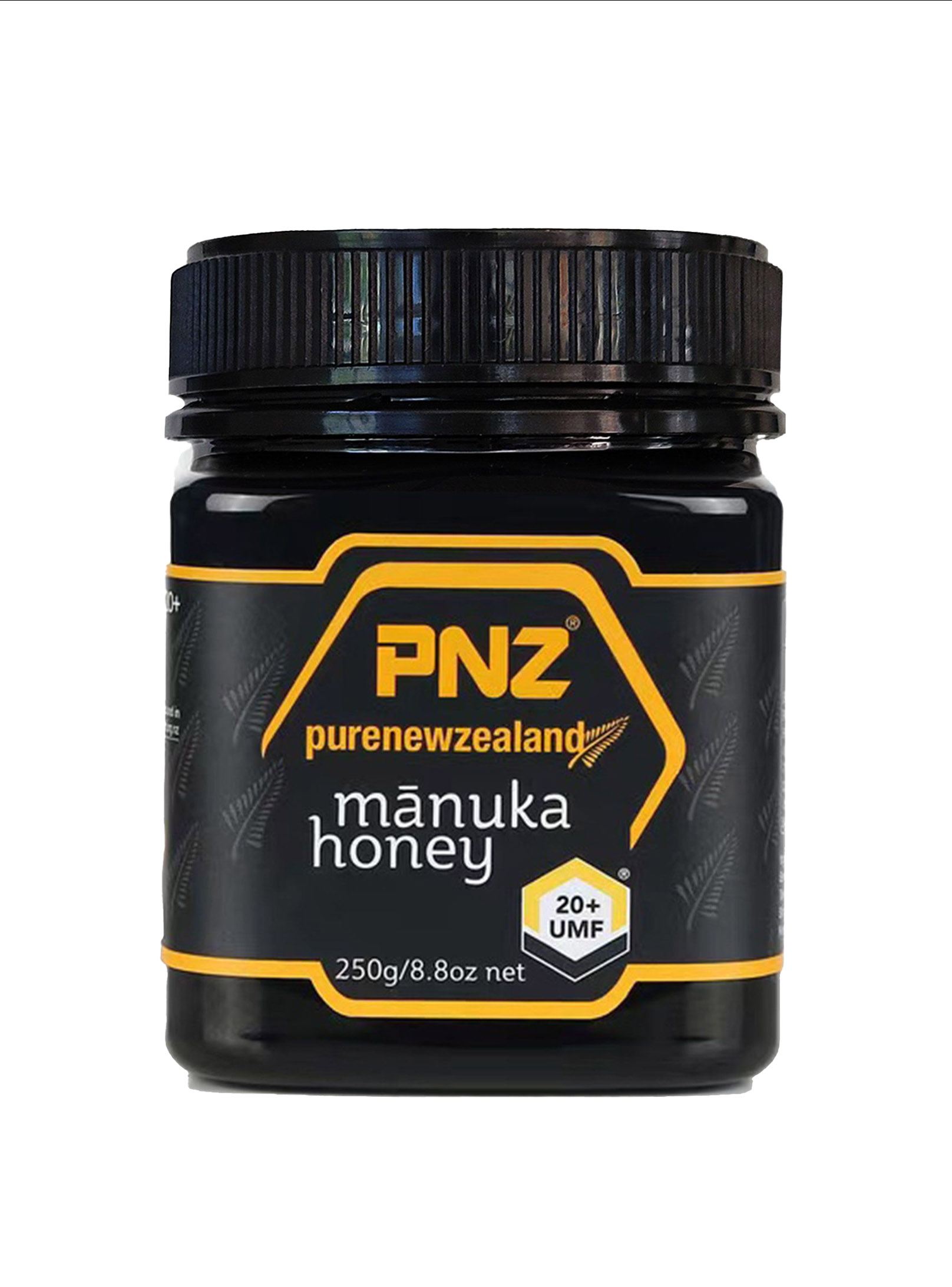
Mānuka Honey UMF20+ 250g
- Umf20+
- 829 MG/kg MGO
PNZ Mānuka Honey UMF 20+ is a genuine, mono-floral Mānuka honey with a guaranteed minimum of 829mg/kg MGO.
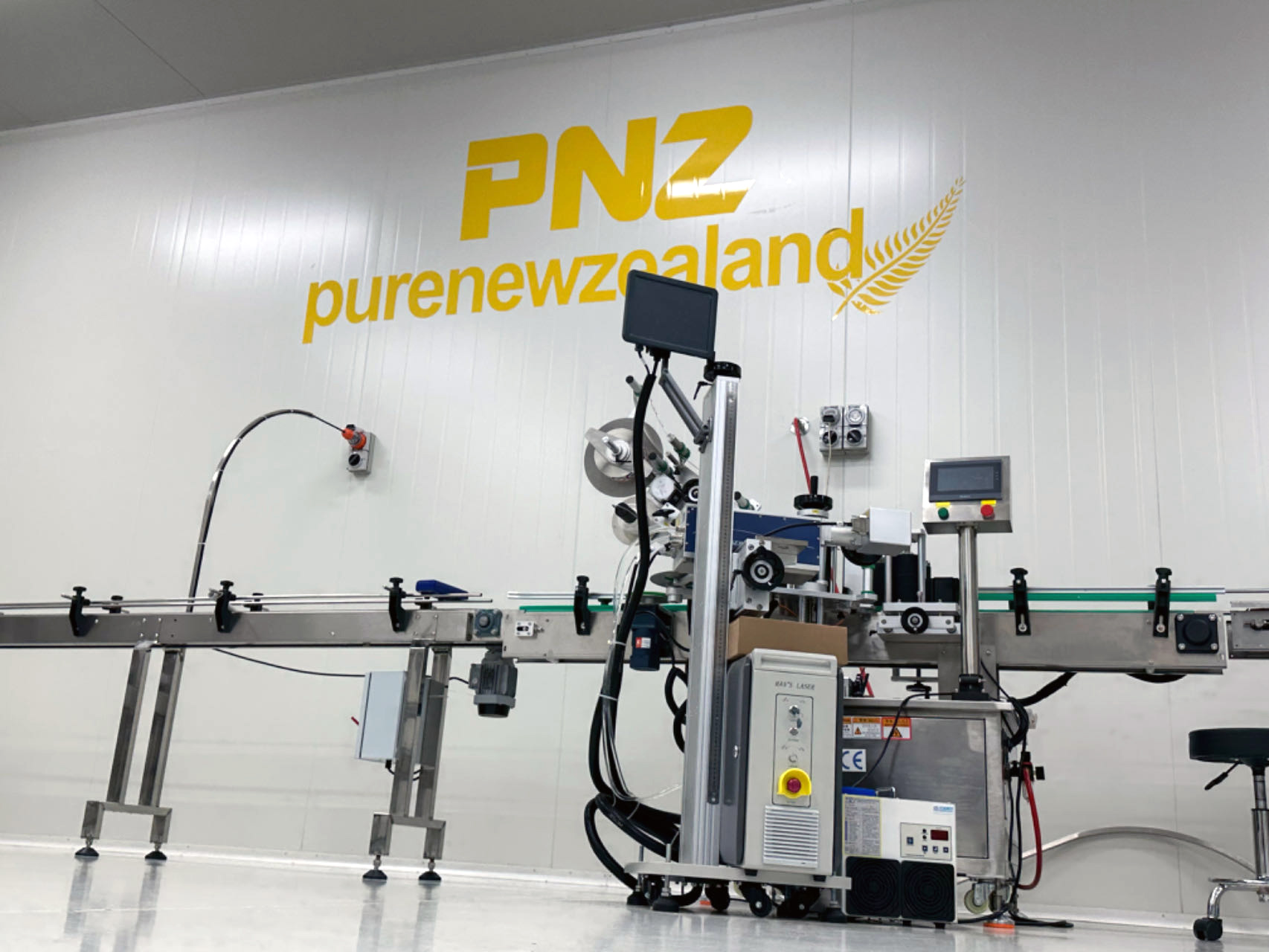
NZ Bees Packhouse
Our packhouse is located in Aongatete, New Zealand. We use state of the art packing equipment and operate in a clean room environment. This enables us to produce world-class Manuka honey with a high degree of food safety, free of contamination and other micro-organisms.
customer Testimonial
Julie Estrada
★★★★★ 5/5
This product is pricey but definitely worth it. Using Manuka honey on my face once daily cured my stubborn acne within a week and has continued improving my complexion with clarity and moisture. I use about a tablespoon and apply it all over my face and neck for 20-30 mins at least 5 days a week. When the time is up, I massage any excess honey into my face & rinse with warm water to remove stickiness. I then follow up with a regular skincare routine. At first, especially if you have open acne sores, it might burn or tingle, but that’s normal! Manuka honey is antibacterial and simply cleans out the wound. Probably my favorite thing about this product is that it’s like Windex, meaning, you can use it for just about anything! (I recently started adding Manuka honey to my tea to help with reflux). Finally, it is important to note that in order to get all those awesome healing and antibacterial properties from Manuka honey it needs to have a UMF (Unique Manuka Factor) of at least 20+.

years in business
12
approx bees in a hive colony
250000
Hives in the field
1000
About us
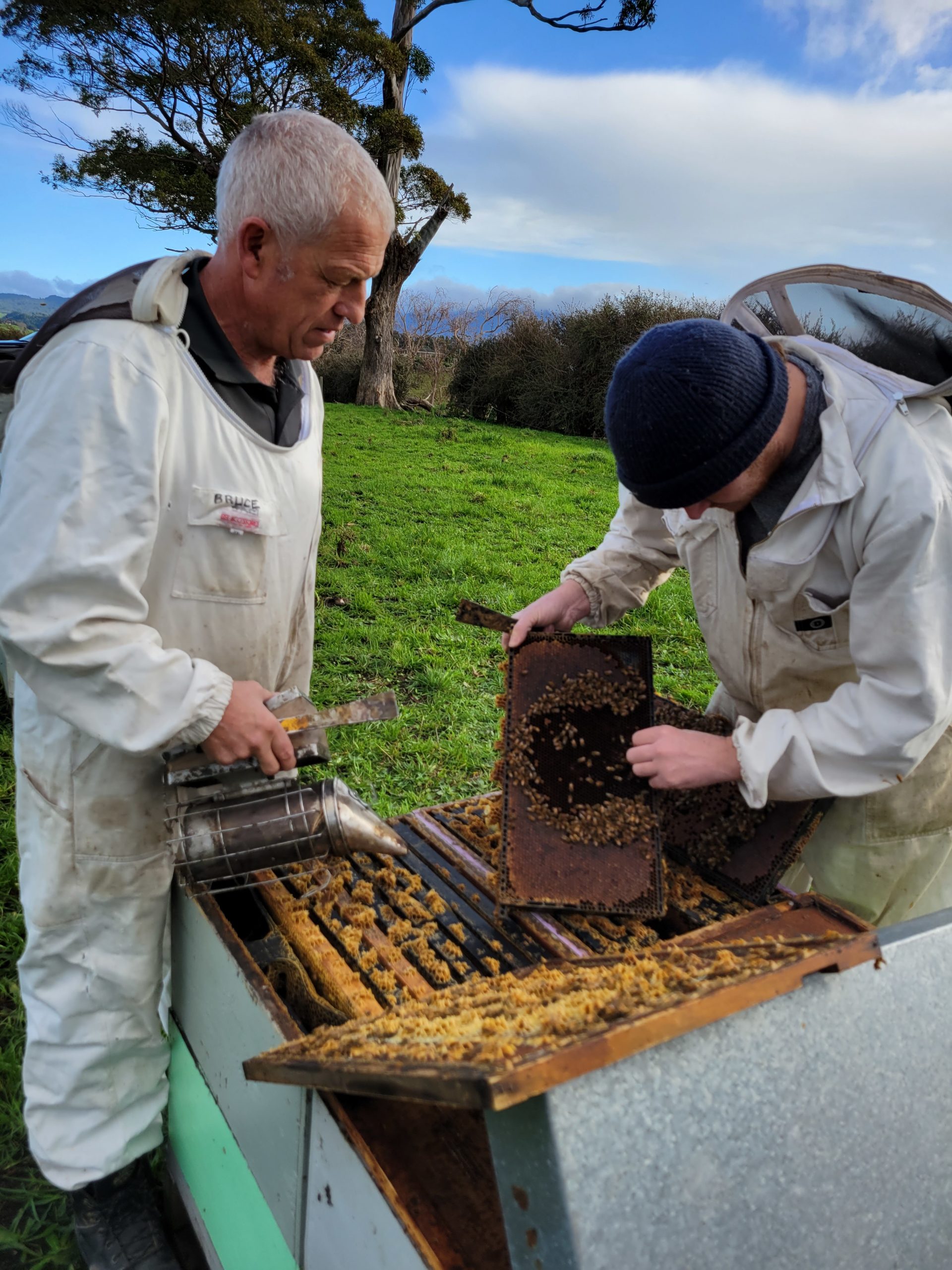
We are proud of the quality and consistency of the product and service provided to our customers. We offer a range of world-class Manuka and table honeys. All orders are treated with the utmost care to meet the needs. Our honey is collected from our own hives, located throughout the Bay of Plenty region in New Zealand. We have our own packing house for the processing and bottling of our own honey. This way we control the product from when we collect the honey to when we deliver the product to your front door.
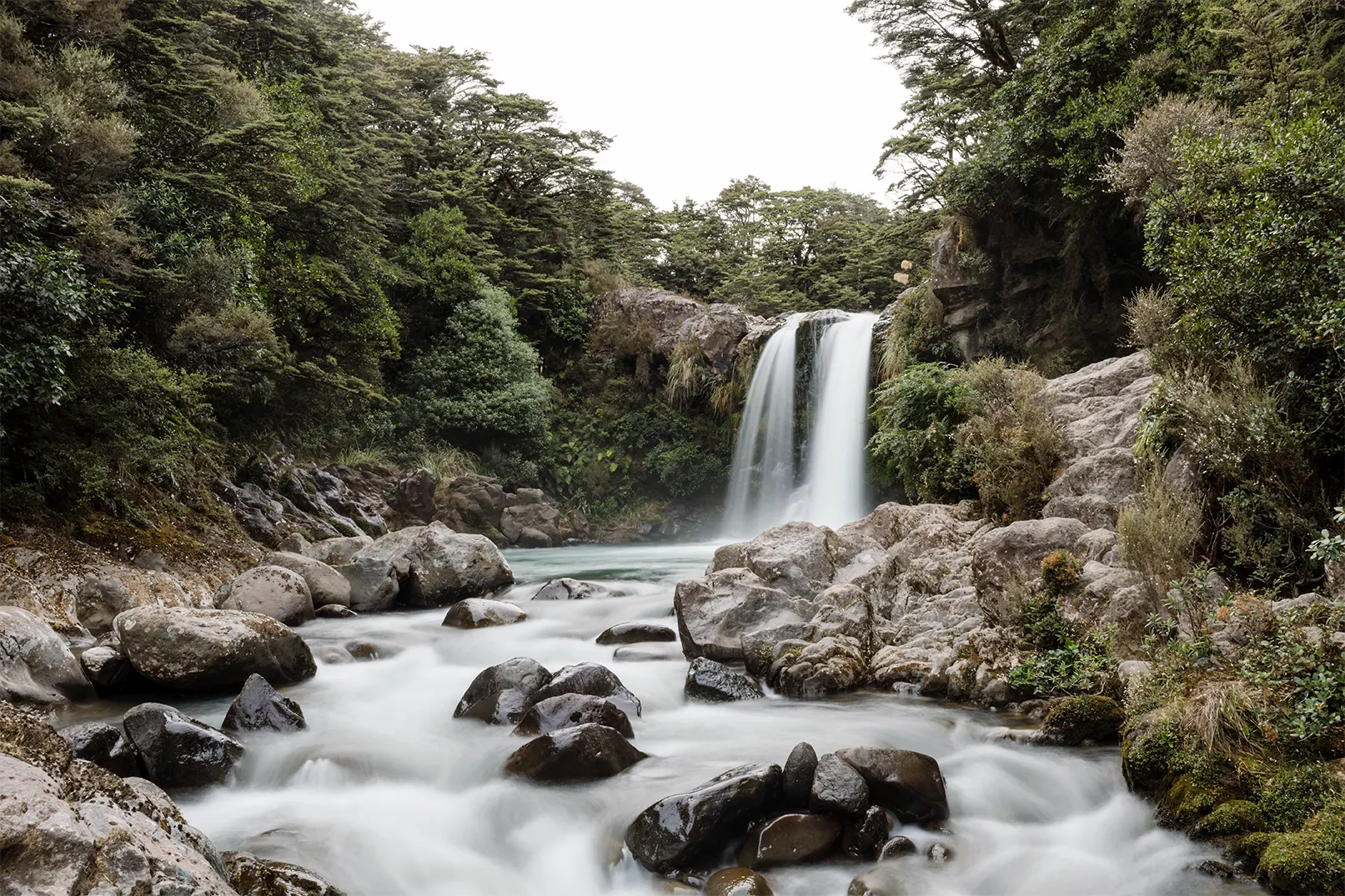
We source our honey from the wildness regions of New Zealand
Interested In Becoming A Reseller?
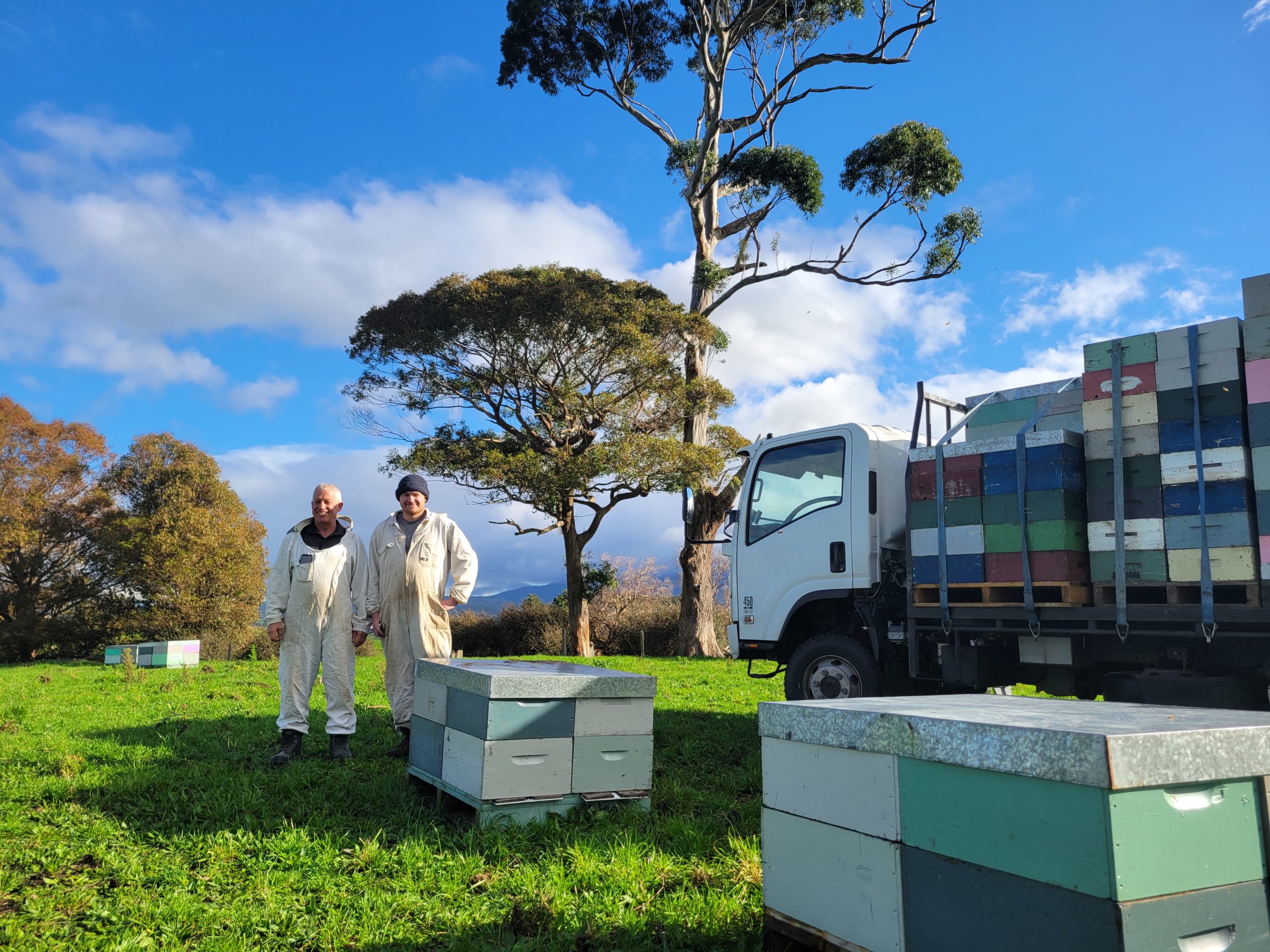
Placing Hives in the field
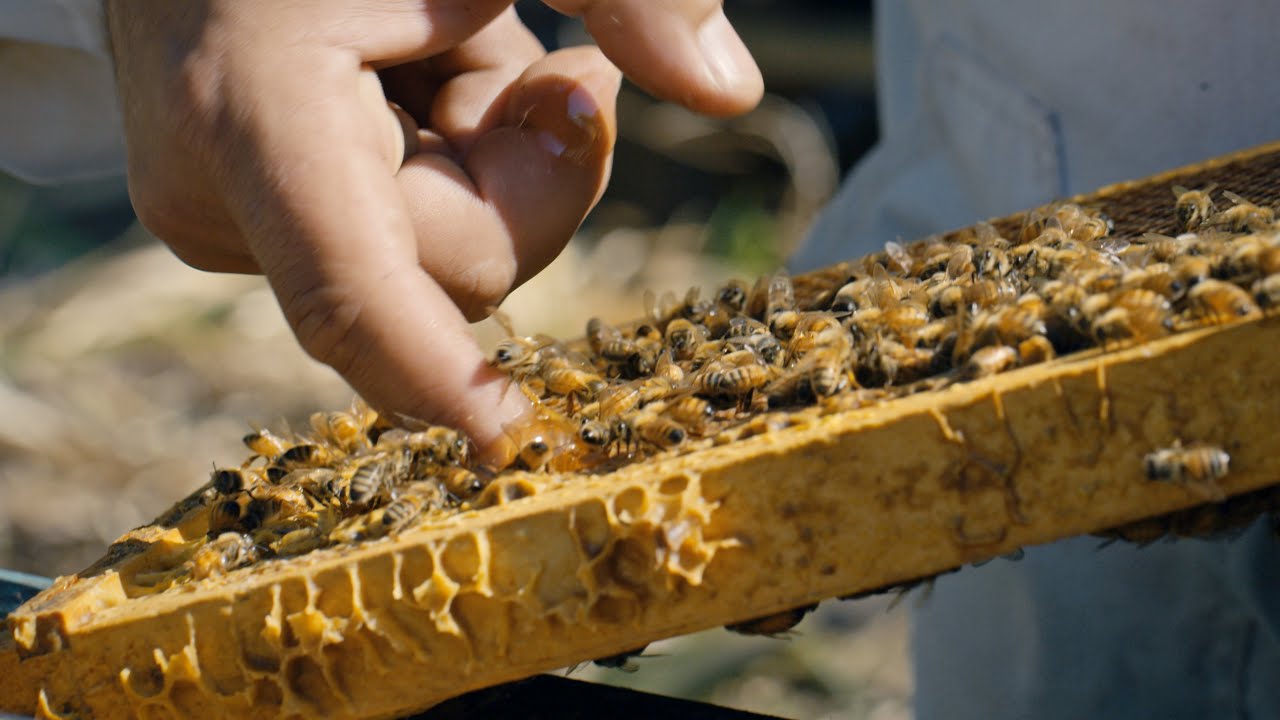
Hives are distributed across the New Zealand Bay of Plenty region. Many of the hives are located in wilderness areas producing quality and flavours unique to the region.
Wild Honeycomb
Pure New Zealand Honey
FAQ's
Mānuka honey is no ordinary resident of the breakfast table. It begins in the flowers of the Mānuka plant, found principally across New Zealand, where bees gather its nectar and transform it into a honey with a chemical signature all its own.
Among the compounds tucked inside each spoonful is methylglyoxal, or MGO, a naturally occurring substance associated with antibacterial activity. It is this distinctive chemistry, as much as its origin, that has lifted Mānuka honey from pantry staple to prized specialty product.
Think of MGO and UMF™ as two different windows onto the same jar.
MGO puts a number on methylglyoxal, measuring its concentration in milligrams per kilogram. It is a precise reading of one particular component.
UMF™, however, casts a wider net. Rather than asking only how much MGO is present, the certification system also examines potency, authenticity, purity, freshness, and shelf life.
MGO therefore gives you a measurement. UMF gives you a broader portrait.
Higher numbers may catch the eye, but they are not a crown automatically awarded to the “best” honey.
A higher MGO or UMF rating generally points toward greater measured potency, yet the right choice still depends on why you are buying the honey and how much you wish to spend.
MGO shines a spotlight on one chemical measurement. UMF opens the curtains wider, bringing quality and authenticity into view as well.
The wisest purchase is therefore not necessarily the jar carrying the grandest number, but the one whose rating suits its intended role.
Authentic Mānuka honey should arrive with more than a handsome label and a persuasive story.
Look for the paper trail behind the promise: a recognized certification mark, a verifiable UMF™ licence number, a clearly stated MGO value, identifiable batch information, and, where appropriate, a “Product of New Zealand” statement.
Vague words such as active may sound impressive, but without an independently verifiable rating they can be little more than decorative fog.
When authenticity matters, evidence should do the talking. (nzbees.nz/trace/)
Mānuka honey has found its way into many daily rituals. Some stir it into food or drinks; others reach for it when seeking throat comfort or incorporate it into skincare routines.
Its reputation, however, should not be allowed to outrun the evidence.
A glowing label is not a medical certificate, and marketing language should never be mistaken for proof that Mānuka honey can prevent or cure disease. Evidence differs according to the product and intended use, as do the regulatory approvals surrounding particular claims.
In other words, enjoy the honey for what the evidence supports rather than asking the jar to wear a doctor’s coat.
For most healthy adults, Mānuka honey can comfortably take a place at the table when consumed in moderation.
Yet beneath its celebrated pedigree, honey remains rich in sugar. Its New Zealand origins do not grant it immunity from the ordinary arithmetic of the diet.
People living with diabetes or managing blood-glucose levels should therefore count Mānuka honey as part of their overall sugar and carbohydrate intake. Where uncertainty remains, a healthcare professional can help draw the appropriate boundary.
Moderation is the quiet companion that allows indulgence and good sense to share the same spoon.
Here, the distinction between food and medicine becomes an important line in the sand.
Honey taken from an ordinary food jar should not simply be pressed into service as a wound treatment. Products intended for wound care are specifically labelled, regulated, sterilized, and manufactured for clinical use.
Deep, persistent, infected, or otherwise serious wounds deserve more than improvisation at the kitchen cupboard. They require appropriate medical attention.
For wound care, the jar must be designed for the job.
Mānuka honey asks for relatively little in return for its long stay in the pantry.
Keep the lid firmly closed and give the jar a cool, dry home away from direct sunlight. Refrigeration is generally unnecessary and may encourage crystallization, changing the honey’s smooth texture sooner than expected.
Heat deserves particular caution. Excessive temperatures can disturb the qualities you paid to preserve.
Treat the jar less like a fragile jewel than a well-made ingredient: protect it from extremes and allow it to keep its character.
Honey is famously patient.
Stored properly, it can remain stable for a considerable period, although the best-before date and storage instructions on the individual product should remain your guide.
Crystallization, meanwhile, is not necessarily the honey sounding an alarm. It is often simply a natural shift in texture as sugars form crystals within the jar.
The honey may change its clothes without changing its identity.
A grainier texture, by itself, does not mean the product has spoiled.
Several roads converge at the Mānuka honey price tag.
Production is seasonal. Genuine Mānuka flowers in a limited geography. Harvesting conditions can be demanding. Testing and certification add their own costs, while brand positioning and global demand push from the other side of the ledger.
Higher UMF and MGO grades often climb further up the price ladder.
Yet price and usefulness do not always march in lockstep. A towering rating may carry prestige and greater measured potency, but that does not automatically make it the best value for someone simply spooning honey onto breakfast.
Sometimes the most expensive dial does not need to be turned all the way.
MGO takes one important reading; UMF reads more of the instrument panel.
An MGO rating measures the concentration of methylglyoxal, the compound most closely associated with Mānuka honey’s antibacterial activity.
The UMF system includes that measurement but does not stop there. It examines four principal markers:
| UMF test | What it tells you | What an MGO-only rating leaves outside the frame |
|---|---|---|
| MGO | Potency | This is the measurement already provided by an MGO rating. |
| Leptosperin | Authentic Mānuka floral origin | Helps establish whether the honey genuinely comes from Mānuka nectar rather than merely wearing the name. |
| DHA | The precursor that develops into MGO over time | Provides insight into how potency may evolve and contributes to the honey’s expected shelf-life profile. |
| HMF | Freshness and heat or storage history | Helps reveal whether time or excessive heat has taken a toll on the honey. |
Taken together, these four markers allow UMF to examine potency, authenticity, freshness, and shelf life rather than leaving the entire judgement resting on a single chemical number.
What does that mean in practical terms?
A jar labelled MGO 400 is telling you something specific and useful: laboratory testing found approximately 400 milligrams of methylglyoxal per kilogram of honey.
But that number is one chapter, not the whole book.
On its own, MGO 400 does not establish New Zealand Mānuka origin, independent UMF certification, freshness, or proper handling. A UMF-certified product is tested against several markers and sits within a licensed, batch-based certification system.
That does not make MGO an inferior measurement. Far from it. When the chief question is antibacterial potency, MGO is a useful number to have in hand.
UMF simply widens the lens.
The two systems overlap, but they should not be treated as interchangeable twins. Before comparing jars, look beyond the bold number on the front and see what, precisely, has been measured and certified.
Fake Mānuka honey is a serious industry problem because the product is expensive, difficult for consumers to authenticate, and often associated with health-related expectations. Fraud also threatens legitimate producers and damages confidence in New Zealand’s food exports.
The scale of the problem
Products labeled “Mānuka honey” are reportedly sold worldwide at roughly six times the volume of genuine New Zealand production. This discrepancy suggests that some products may be diluted, substituted, or mislabeled during production or distribution.
Genuine high-grade Mānuka honey is relatively scarce and can command high prices. That price difference creates an incentive for dishonest producers to market ordinary or lower-grade honey as authentic Mānuka honey.
Why consumers can be misled
Mānuka honey labels often use terms such as:
- UMF.
- MGO.
- “Active.”
- “Bioactive.”
- “Raw.”
- “Therapeutic.”
- “New Zealand Mānuka.”
These terms may not have the same meaning or regulatory status in every market. As a result, consumers may pay a premium without knowing whether a product’s origin, potency, or health claims have been independently verified.
An MGO value provides useful information about the concentration of methylglyoxal, but it does not by itself prove that the honey came from Mānuka nectar or that the product meets the requirements of a broader certification system.
Damage to legitimate producers
Counterfeit and misleading products can:
- Divert sales from genuine beekeepers and exporters.
- Reduce consumer confidence in legitimate brands.
- Make it more difficult for authentic producers to justify premium prices.
- Damage New Zealand’s reputation for high-quality food exports.
- Increase the cost of testing, certification, packaging, and legal enforcement.
For this reason, New Zealand treats Mānuka authenticity as both a food-labeling issue and an export-protection issue. Mānuka honey labeled for export from New Zealand must be tested by a Ministry for Primary Industries–recognized laboratory against the government’s scientific definition.
Health and safety concerns
The risk is not limited to consumers receiving a lower-quality product. Misleading labels can create false expectations about antibacterial activity, wound care, immunity, or other health effects.
Someone who believes ordinary honey is suitable for medical use might delay proper treatment or apply a food product where a regulated medical-grade honey product is required.
There has also been concern that some inferior honey could be modified with synthetic substances to imitate aspects of Mānuka honey’s chemical profile.
Why authentication testing matters
New Zealand’s authentication system uses several chemical markers together with Mānuka DNA. This approach is more reliable than testing for a single compound or relying solely on label claims. It can help distinguish genuine Mānuka honey from:
- Ordinary honey sold under a Mānuka-style label.
- Honey diluted with other varieties.
- Honey produced from a different plant species.
- Products whose chemical composition has been deliberately altered.
Consumers should look for a traceable producer, clear country-of-origin information, batch details, and, where applicable, verifiable UMF certification or another recognized testing standard. A high price alone does not demonstrate authenticity.